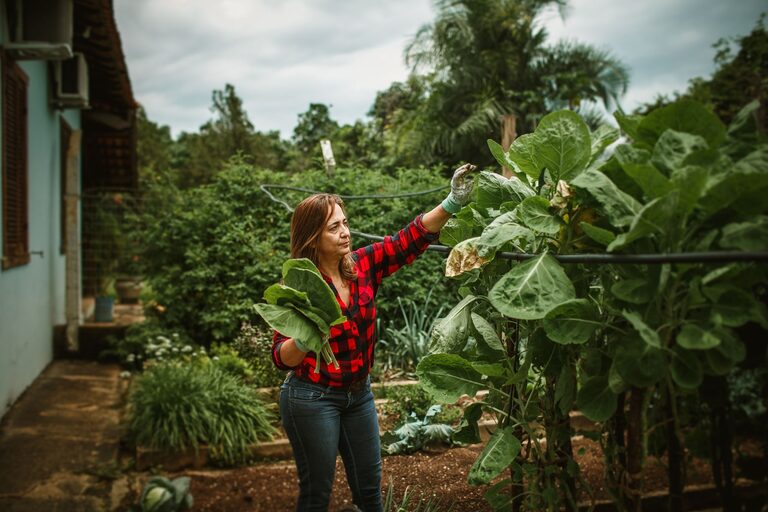
Creating a sustainable garden at home is a rewarding way to connect with nature while minimising environmental impact. Sustainable gardening not only conserves resources but also supports local wildlife and promotes healthier plant growth. Whether you have a small balcony or a large backyard, adopting sustainable practices can help you enjoy a thriving garden that benefits both you and the planet.
What Is Sustainable Gardening?
Sustainable gardening means managing your garden with methods that protect natural resources and reduce waste. This approach seeks to create a balanced ecosystem where plants, soil, water, and wildlife coexist harmoniously. It focuses on reducing reliance on harmful chemicals and conserving water, energy, and materials wherever possible.
Benefits of a Sustainable Garden
– Environmental protection: Reduces pollution and supports biodiversity.
– Resource efficiency: Minimises water and energy use.
– Cost savings: Less need for commercial fertilisers and pesticides.
– Healthier plants: Encourages natural pest control and healthy soil.
– Enjoyment: Creates a peaceful and attractive outdoor space.
Essential Tips for Creating a Sustainable Garden
1. Choose Native and Adapted Plants
Selecting plants that are native or well adapted to your local climate is a smart first step. These plants typically require less water, fertiliser, and maintenance. They also provide food and habitat for local pollinators, birds, and insects.
2. Use Organic Compost and Mulch
Improving soil health is vital for sustainable gardening. Create your own compost from kitchen scraps, garden waste, and shredded paper. Apply mulch around plants to retain moisture, suppress weeds, and enrich the soil as it decomposes.
3. Collect and Use Rainwater
Installing a rainwater harvesting system helps reduce your dependence on mains water. Use water butts to collect rainfall from roofs, then use the stored water to irrigate your garden during dry spells. This method conserves water and lowers utility bills.
4. Implement Water-Wise Practices
To make the most of available water:
– Water plants early in the morning or late in the evening to reduce evaporation.
– Use drip irrigation or soaker hoses to target roots directly.
– Group plants with similar water needs together to avoid wastage.
5. Encourage Wildlife Habitat
Wildlife is an important part of a sustainable garden. Include features such as bird feeders, nest boxes, insect hotels, and ponds to attract beneficial creatures. Allowing some areas to grow wild provides shelter and food sources.
6. Avoid Chemical Pesticides and Fertilisers
Instead of synthetic chemicals, try natural pest control methods:
– Encourage predatory insects like ladybirds and lacewings.
– Use neem oil or insecticidal soaps where appropriate.
– Practice crop rotation and companion planting to reduce pests naturally.
7. Practice Crop Rotation and Companion Planting
If you grow vegetables or herbs, rotating crops year to year prevents soil nutrient depletion and pest accumulation. Companion planting is pairing certain plants that benefit each other; for example, planting marigolds near tomatoes to deter pests.
8. Save Seeds and Propagate Plants
Growing your own plants from seeds or cuttings reduces the need to buy new ones. It’s economical and helps preserve local plant varieties. Collect seeds at the end of the season and store them correctly for future use.
9. Reduce Lawn Area
Lawns can demand a lot of water, fertiliser, and mowing. Consider reducing lawn space or replacing sections with native groundcover plants, wildflowers, or shrubs. This lowers maintenance and supports biodiversity.
10. Use Sustainable Garden Materials
Where possible, choose recycled, natural, or sustainably sourced materials for garden furniture, edging, and structures. Avoid plastics and treated timber, opting for wood certified by recognised environmental standards.
Final Thoughts
Sustainable gardening is about making choices that respect the environment while creating a beautiful and productive space. Even small changes, like composting kitchen waste or choosing native plants, make a difference. Start with one or two tips from this list and build your sustainable garden step by step. In time, you’ll cultivate not just plants but a healthier ecosystem right at home. Happy gardening!
About the Author