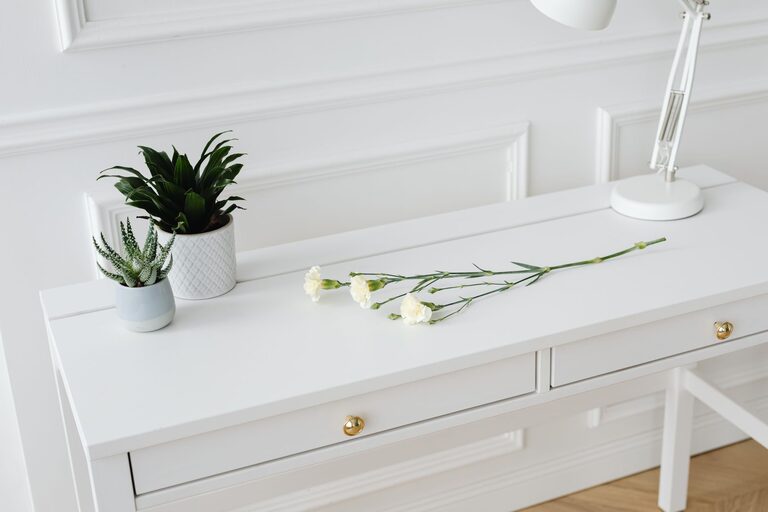
Creating a home workspace that is both sustainable and organised can make a significant difference to your daily routine, productivity, and overall wellbeing. With more people working from home, it’s important to design a space that supports focus while being mindful of environmental impact. This guide offers simple, practical tips to help you achieve a workspace that is tidy, functional, and green.
Why Sustainable and Organised Workspaces Matter
A well-organised workspace reduces stress and distractions, helping you stay productive throughout the day. Meanwhile, a sustainable setup minimises waste and energy use, contributing to environmental preservation. Combining the two ensures that your work environment is comfortable, efficient, and responsible.
Choose Eco-Friendly Furniture and Accessories
Opt for Second-Hand or Upcycled Items
Buying second-hand desks, chairs, and shelves is a great way to reduce demand for new resources. Thrift stores, online marketplaces, and community sales often have quality items at affordable prices. Upcycling allows you to breathe new life into existing furniture with a fresh coat of paint or new upholstery.
Select Sustainable Materials
If purchasing new furniture, look for pieces made from sustainably sourced wood, bamboo, or recycled materials. Avoid items with harmful chemicals or plastics when possible. Certifications like FSC (Forest Stewardship Council) can guide you in choosing eco-conscious products.
Organise with Purpose
Declutter Regularly
Less clutter means less visual noise and more calm. Take time each week to clear unneeded papers, stationery, and gadgets. Use a bin for recycling and responsibly dispose of old electronics at designated centres.
Use Minimalist Storage Solutions
Choose storage that suits your needs without overwhelming the space. Boxes made from recycled cardboard, fabric drawer organisers, or glass jars for pens can keep essentials neat and visible. Label containers to quickly find what you need.
Digitise Documents
Reduce paper waste by scanning and organising files digitally. Cloud storage services allow easy access from multiple devices and cut down on printing.
Maximise Natural Light and Energy Efficiency
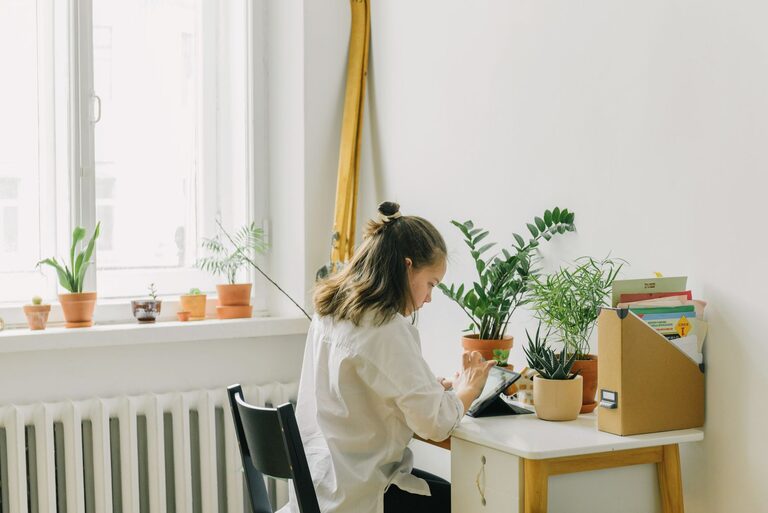
Position Your Desk Near a Window
Natural light improves mood and reduces the need for artificial lighting. Arrange your desk to benefit from daylight while avoiding glare on your screen.
Use Energy-Efficient Lighting
When natural light isn’t enough, switch to LED bulbs. They consume less power and last longer than traditional bulbs. Consider lamps with adjustable brightness to tailor lighting to different tasks.
Adopt Sustainable Habits Daily
Choose Reusable Stationery
Replace disposable items such as paper notebooks, pens, and coffee cups with reusable alternatives. Refill ink pens and opt for notebooks with recyclable covers.
Manage Energy Wisely
Switch off devices and unplug chargers when not in use. Use power strips to make this easier and prevent phantom energy drain.
Introduce Green Plants
Indoor plants not only improve air quality but also create a calming atmosphere. Easy-care options like spider plants, succulents, or peace lilies can thrive with minimal effort.
Create a Personalised, Comfortable Atmosphere
Adjust Ergonomics
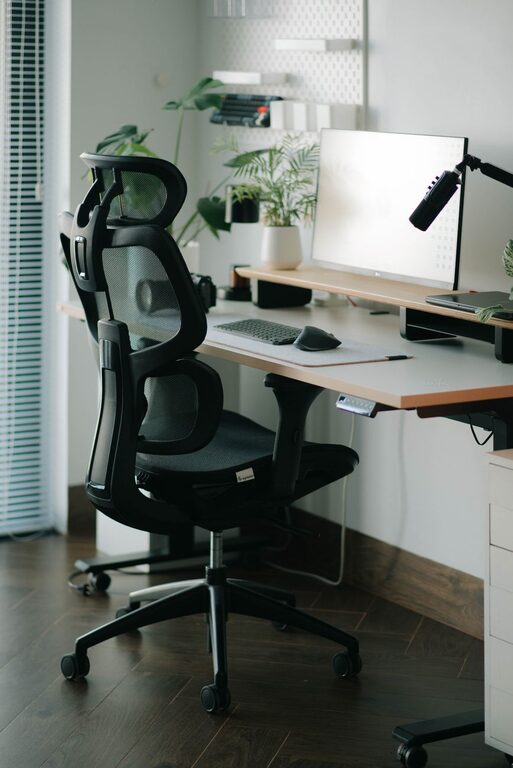
Choose a supportive chair and position your screen at eye level to prevent strain. Use footrests or cushions to promote good posture.
Keep It Personal but Minimal
Display a few meaningful items like photos or artwork to inspire and motivate you. Avoid overcrowding your desk to maintain focus and order.
Final Thoughts
Building a sustainable and organised home workspace is an ongoing process that pays off in productivity and wellbeing. By choosing eco-friendly materials, keeping things tidy, and adopting green habits, you create a balanced environment that supports your work and the planet. Start small by making one change today – your future self will thank you.
About the Author