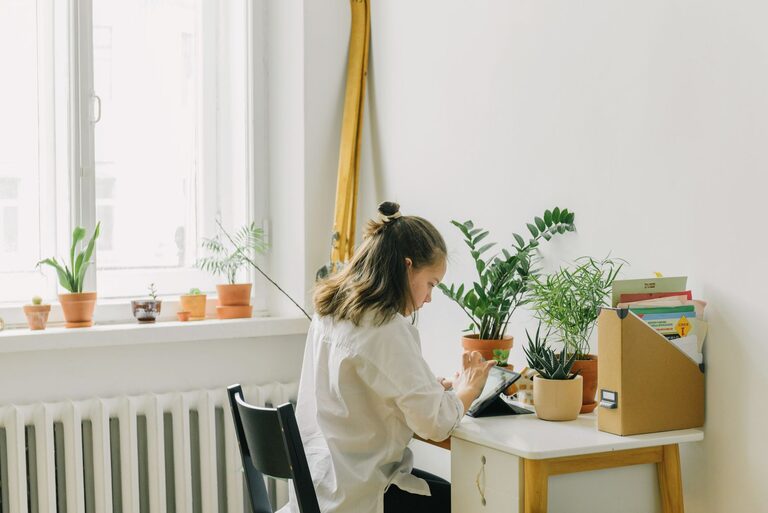
Creating a home workspace that is both relaxing and productive can make a significant difference to your daily work experience. Whether you spend just a few hours or a full day working from home, an environment that supports focus and comfort helps improve your efficiency and well-being. Here are some helpful tips to design a space that balances productivity with relaxation.
Choose the Right Location
Selecting the ideal spot in your home is the first step.
– Quiet and Away from Distractions: Pick a place where you won’t be disturbed by household noise or passing family members.
– Natural Light: Position your desk near a window if possible. Natural light can lift your mood and reduce eye strain.
– Adequate Space: Ensure the area is large enough for your desk, chair, and any equipment you need.
Invest in Comfortable and Functional Furniture
Your furniture impacts both your comfort and productivity.
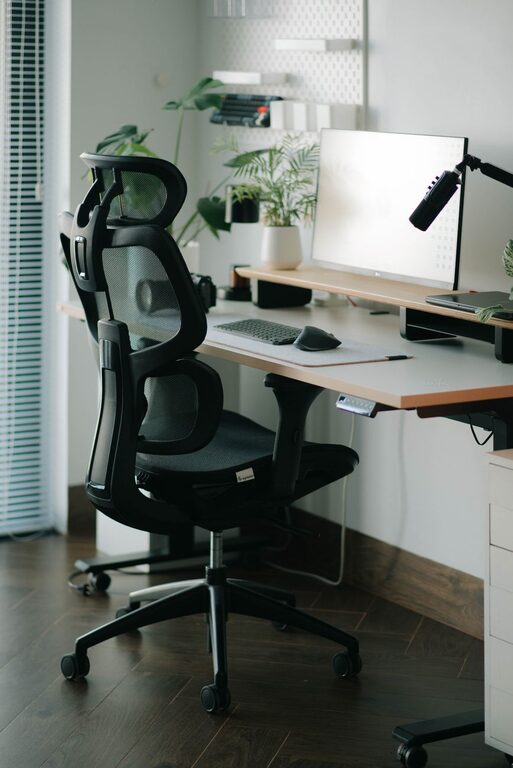
– Ergonomic Chair: Choose a chair that supports your back and encourages good posture.
– Desk at the Right Height: Make sure your desk allows you to work comfortably without hunching or stretching.
– Storage Solutions: Use shelves, drawers, or organisers to keep your workspace tidy and clutter-free.
Personalise Your Workspace
A personal touch can make your workspace inviting and reduce stress.
– Inspiring Decor: Add photos, artwork, or items that motivate you.
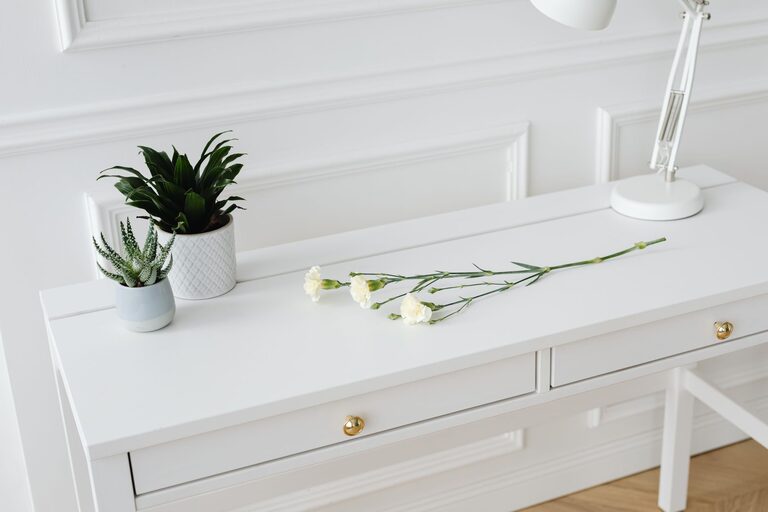
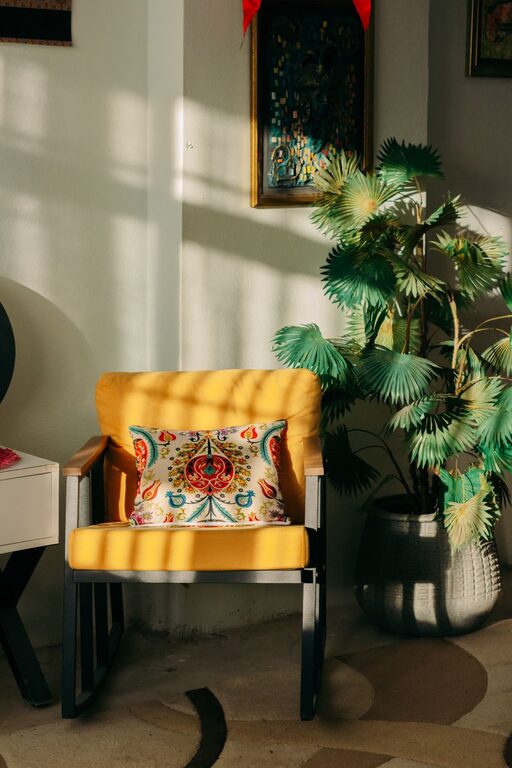
– Greenery: Plants not only improve air quality but create a calming atmosphere.
– Colour Choices: Use colours that promote focus and relaxation; for example, blues and greens are often soothing.
Manage Lighting Effectively
Lighting plays a key role in comfort and alertness.
– Layered Lighting: Combine natural light with desk lamps or overhead lights to avoid harsh shadows.
– Adjustable Lamps: Use adjustable lamps to reduce glare on your screen and brighten your work area.
– Avoid Screen Glare: Position your computer to minimise reflections and eye strain.
Keep Technology Organised
Simplify your digital setup to maintain focus.
– Cable Management: Use clips, ties, or channels to keep cords organised and out of the way.
– Essential Equipment: Limit electronics to what you need to prevent distraction.
– Regular Maintenance: Keep your devices updated and clean to avoid frustration during work.
Create a Routine and Boundaries
Your workspace should support your work habits and help separate work from leisure.
– Set Working Hours: Define a consistent schedule to maintain balance.
– Dedicated Workspace: Use your workspace only for work, helping your mind switch between work and rest.
– Break Areas: Step away from your desk regularly to relax and recharge.
Incorporate Relaxation Elements
Help reduce stress by adding relaxing features.
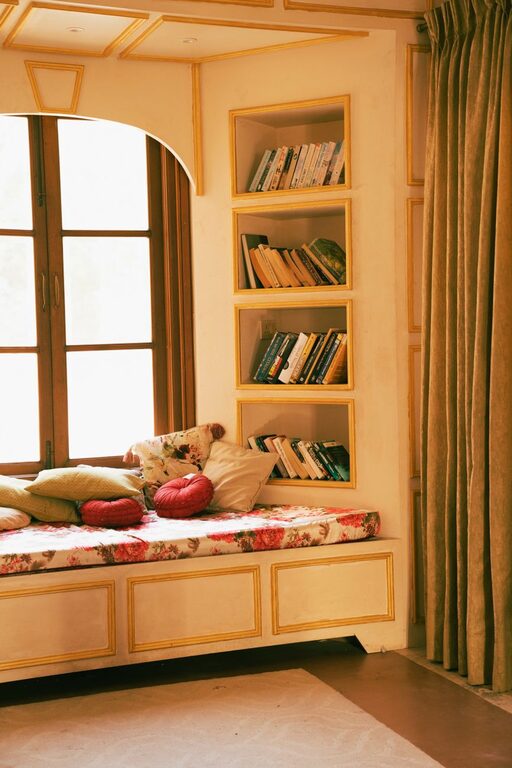
– Comfort Items: A soft cushion, blanket, or ergonomic footrest can increase comfort.
– Aromatherapy: Use diffusers with mild scents like lavender to create a calming environment.
– Sound Management: Consider noise-cancelling headphones or soft background music to maintain focus.
Maintain Cleanliness and Organisation
A neat workspace promotes a clear mind.
– Daily Tidy-Up: Spend a few minutes each day organising your desk to avoid clutter build-up.
– Minimalism: Keep only necessary items on your desk to reduce distractions.
– Routine Cleaning: Regularly dust, vacuum, and disinfect your workspace.
Optimise Air Quality and Temperature
Comfortable air and temperature influence productivity.
– Ventilation: Open windows when possible or use an air purifier.
– Temperature Control: Ensure your workspace isn’t too hot or cold. Use fans or heaters as needed.
– Humidity: Maintain balanced humidity to avoid dryness or dampness.
Consider Your Work Needs and Preferences
Tailor your workspace to suit the kind of work you do.
– Multiple Monitors: If you work with many documents or applications, additional screens can help.
– Note-Taking Tools: Have notebooks or whiteboards handy for brainstorming.
– Task Lighting: Use focused lighting for detailed tasks such as drawing or paperwork.
—
By thoughtfully designing your home workspace, you can support your productivity while also nurturing a sense of calm and well-being. Taking the time to personalise, organise, and optimise your environment allows you to enjoy working from home and perform at your best.
About the Author