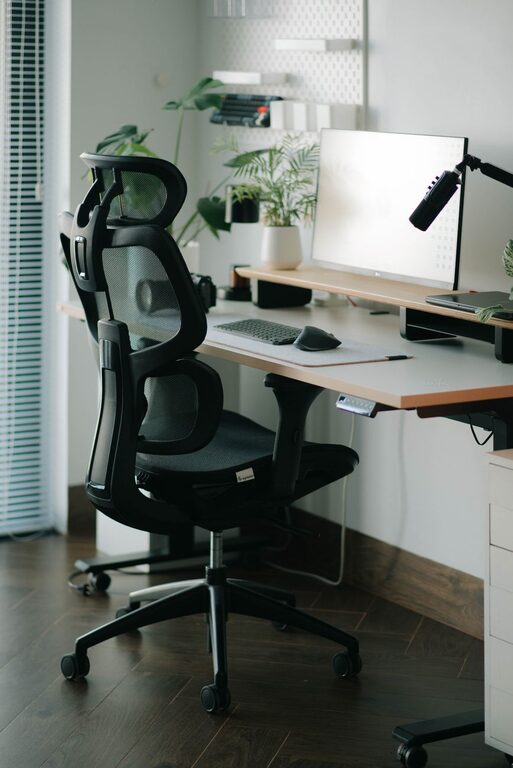
Working from home has become increasingly common, and having an effective home office can make all the difference to your comfort and output. Whether you’re a full-time remote worker or occasionally dabbling in home-based tasks, a well-designed workspace supports focus, reduces stress, and helps maintain a healthy work-life balance. Here are some valuable tips to create a comfortable and productive home office environment.
Choose the Right Location
Find a Quiet Space
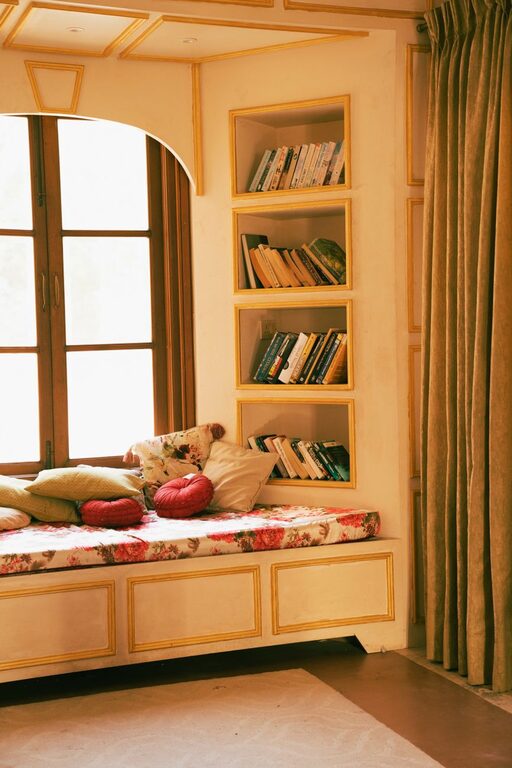
Select a part of your home that is relatively quiet and free from distractions. This could be a spare room, a corner of the living room, or even a nook near a window. The key is a spot where you feel calm and undisturbed during work hours.
Consider Natural Light
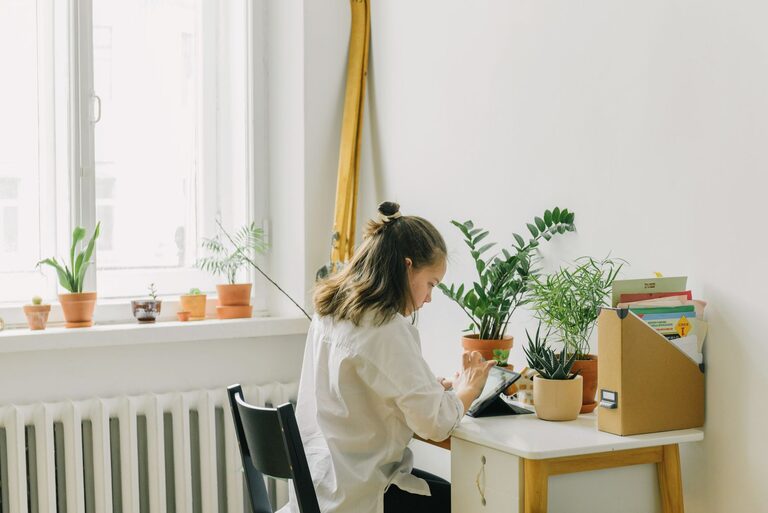
Natural light helps improve mood and alertness. Position your desk near a window if possible, but be mindful of glare on your screen. If natural light is limited, invest in good-quality artificial lighting that mimics daylight.
Prioritise Ergonomics
Select a Comfortable Chair
Your chair should support your lower back, encourage good posture, and be adjustable in height. Sitting comfortably reduces fatigue and prevents aches that can distract from your work.
Desk and Monitor Setup
Choose a desk or table that suits your height and allows you to keep your forearms parallel to the floor while typing. Position your monitor at eye level about an arm’s length away to avoid neck strain and eye fatigue.
Accessories for Comfort
Consider ergonomic accessories such as a keyboard wrist rest, a mouse pad with support, or a footrest if your feet do not comfortably reach the ground. Small adjustments can drastically improve your comfort throughout the day.
Keep Your Workspace Organised
Declutter Regularly
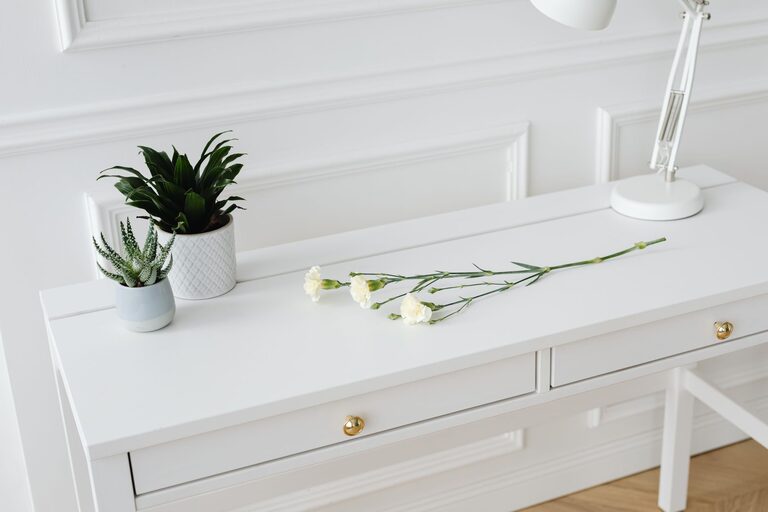
A cluttered desk can make you feel overwhelmed and hinder concentration. Keep only essentials on your desk and regularly tidy up to maintain a neat environment.
Use Storage Solutions
Utilise shelves, drawers, and organisers to store documents, stationery, and electronics. Labelled storage boxes or folders can make it easier to find what you need quickly and reduce frustration.
Establish Boundaries and Routine
Set Working Hours
Create a schedule that mimics your usual office hours. Having defined start and finish times helps you stay disciplined and separates work from personal time.
Designate the Space for Work Only
Try to use your home office purely as a working space. This mental separation helps you stay focused during work hours and relax once you leave the space.
Improve Air Quality and Comfort
Ventilate Your Space
Good airflow keeps you alert and boosts overall well-being. Open windows regularly or use a fan or air purifier to maintain fresh air.
Control Temperature
Ensure your office is neither too hot nor too cold. Use heaters, fans, or air conditioning if needed to maintain a comfortable temperature that supports concentration.
Manage Technology Efficiently
Reliable Equipment
Invest in a reliable computer, high-speed internet, and other necessary devices. Technical problems can disrupt your workflow and cause unnecessary stress.
Cable Management
Organise your cables using clips or ties to keep them out of the way. A tidy workspace reduces distractions and prevents accidents.
Add Personal Touches
Incorporate Plants
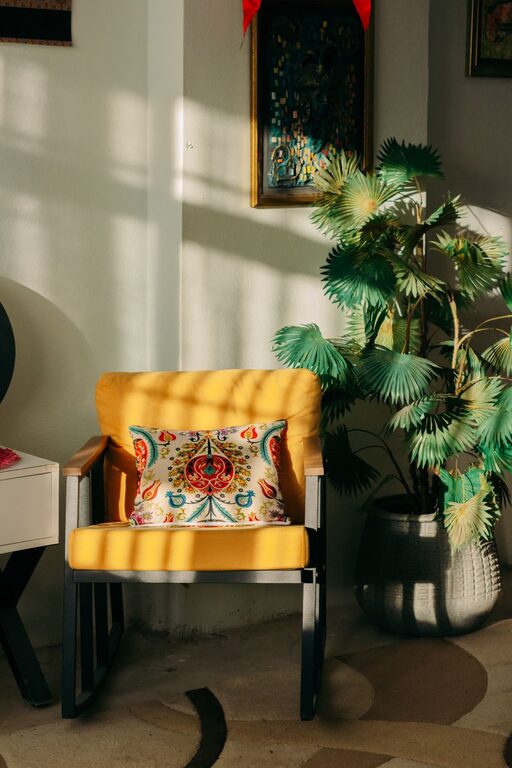
Indoor plants improve air quality and add a touch of nature to your workspace, which can boost mood and reduce stress.
Personalise Tastefully
Include items like photos, artwork, or inspirational quotes, but avoid excessive decoration that might distract you. A balanced, personalised space feels welcoming and motivating.
Prioritise Movement Breaks
Take Regular Breaks
Set reminders to stand up, stretch or walk around every hour. Movement helps reduce stiffness, improve circulation, and enhance mental clarity.
Create a Stretching Routine
Incorporating simple stretches or mindfulness exercises during breaks can refresh your mind and reduce tension.
—
Creating a home office that balances comfort and productivity is a process, not a one-time task. Assess your needs and adjust your setup over time. With these tips, you can design a space that supports your best work, keeps you comfortable, and turns your home into an effective workplace.
About the Author